Why Enterprise Tools Don't Always Fit SMB Cybersecurity Needs
Every business owner wants to buy the best security tool available on the market, but the truth is that they simply don’t have the teams to manage it effectively. And lack of management where the budgets tend to drain quickly. If you are an SMB managing their essential security needs, this blog explains the common struggles of enterprise tools in SMB environments and what smaller businesses should cover instead.
There is a reasonable instinct behind buying the biggest brand name in cybersecurity. The logic usually goes that if a security platform works for large scale enterprise like a bank operating in the DIFC, then it should be able to easily handle the needs of a smaller 30-person firm as well.
But this logic only works on paper. When integrated into an SMB's infrastructure where costs and manpower are major factors, the struggles start to become very real when smaller businesses lack clarity on their essential security requirements.
Why Enterprise Tools Often Struggle in SMBs
In many cases, enterprise security providers operate under the assumption that clients will have an experienced security team or even IT-management infrastructure to leverage their product effectively. This is usually why detections arrive as alerts for an analyst, policies ship as defaults so an in-house specialist can tune them, and rollouts run over weeks with someone managing them closely. None of these are issues in an enterprise where a defined SOC can handle the workload. But in a company where IT is usually one person who is already overburdened with multiple security and non-security IT tasks on a daily basis, managing an advanced enterprise solution quickly becomes a job that nobody has time to do.
Another major issue is costs. A full security stack can consume up to 12% of an SME IT security budget once you count licensing, appliances, and salaries. Enterprises have more resources to manage those costs. But, once again, SMBs often just buy the licence for product and skip the rest of the management. Fast forward to a year later, and you have an SMB that is stuck with an expensive enterprise security tool and the same security posture they started with.
What SMB Cybersecurity Should Actually Cover
As hard as it may be sometimes, SMBs need to focus less on brand names and more on simplifying their security operations. Whether that is on their own or with the help of a managed service provider is a choice they have to make, but here are a few simple ways to establish what a cybersecurity tool at the SMB scale should cover:
- Cover all the basics first: From endpoint protection and email security to domain security and backups. Ensure that every basic control is running properly before you buy anything advanced.
- Give Each Tool Clear Ownership: Someone on your team is assigned to maintain it or a provider does the job instead.
- Regularly Review How the Tools are Functioning. Monthly reviews that show each control is switched on and updated. Make sure clear reports are available for any internal and external record keeping.
- Properly Price the Setup and Monitoring. Buying a solution is only the first step. Ensure that budgeting includes all the management and monitoring that happens after the setup
Choosing the Right Fit for Your Business
Ultimately, the knee-jerk reaction to buy enterprise-grade security might come from the right place. But any final decisions should always be based on whether the product suits how your business runs. This is simply because a tool that nobody has time to operate or manage will inevitably underperform regardless of the setup.
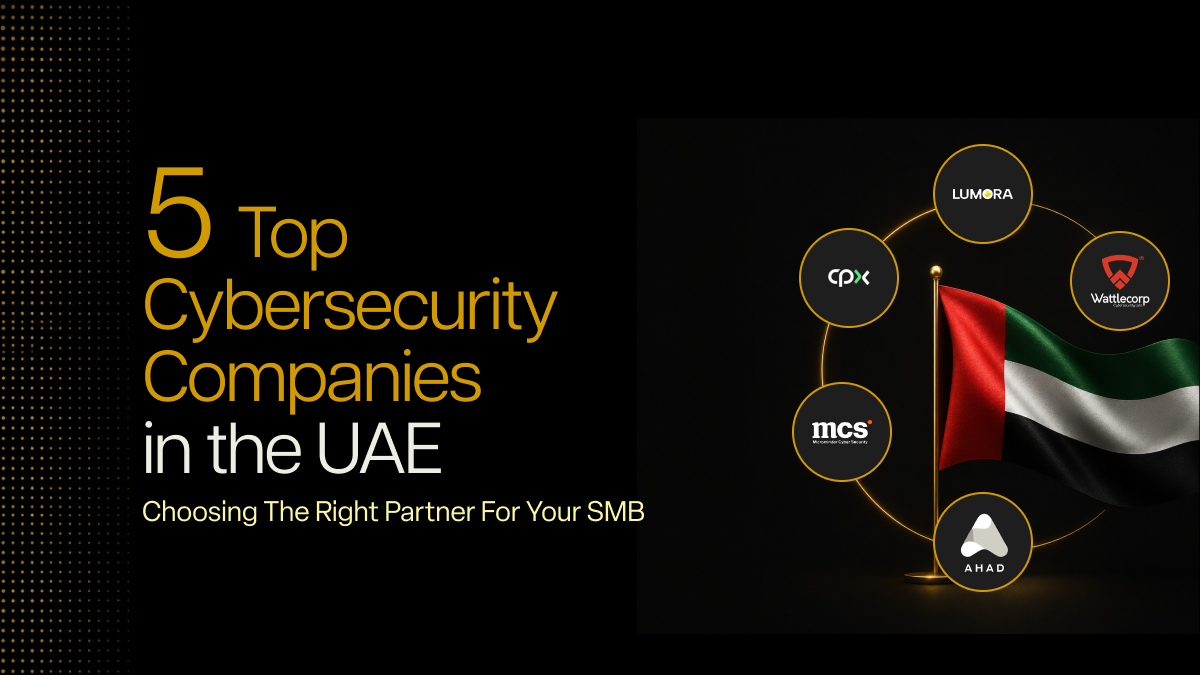
That is why SMB Cybersecurity in the UAE should be built around every essential security control being covered and maintained by experienced managed service providers like Lumora with enough clarity that they always know where their safety stands.
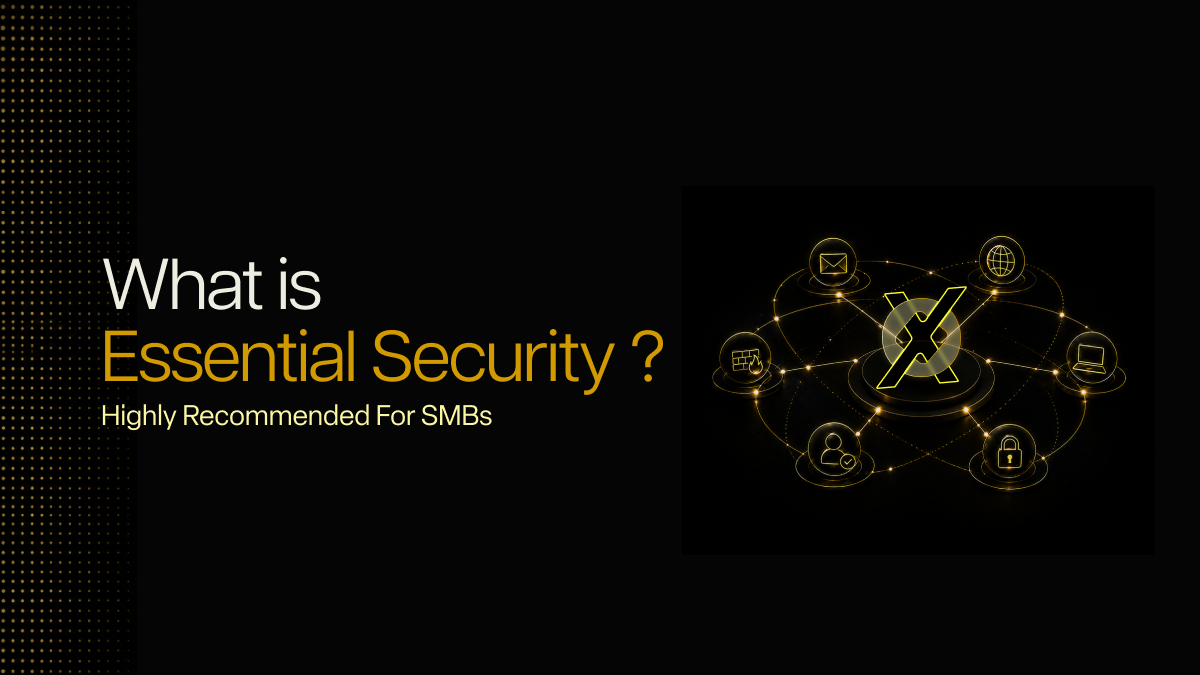
If that sounds closer to what your business needs, LumoraX brings the essential controls together as a managed service built for smaller UAE companies.



.avif)