7 Steps You Should Take When Building Cybersecurity for Startups

The following blog explains how startups can improve cybersecurity in 7 practical steps without overbuilding or hiring too early. It covers Microsoft 365 security, MFA, endpoint security, DMARC, access reviews, and the need to keep core controls monitored. It also explains why scattered tools are not enough, and how Lumora’s Essential Security Review and Lumora X help startups assess gaps, fix weak controls, and maintain security through managed security services.
Securing a startup can feel like being handed a 200-item checklist when you have time for about five things. The instinct is to either panic-buy a stack of security tools or quietly hope it never becomes your problem.
Neither helps much.
The better path is a short list of high impact moves that your business can actually follow, and are perfect for UAE-based founders in particular who are looking to build security meaningfully. With that in mind, Here are 7 steps, in rough order of priority, that will get a young company to a defensible position without the need for a dedicated security team or an oversized budget.
1. Turn on the Security You Already Pay For
Before buying anything new, switch on what is already sitting in your existing tools. Microsoft 365 and Google Workspace both include multi-factor authentication, conditional access, device management, and audit logging that most startups never enable.
Turning on MFA across every account is the single highest-impact thing you can do in an afternoon, and it blocks the overwhelming majority of account-takeover attempts. This step costs nothing beyond the licences you already hold.
2. Treat Offboarding Like a Security Control
This is the step UAE startups underestimate most. Teams here are international and they move around. A contractor in another country gets system access for one project. An employee's visa ends and they leave the country within a fortnight. Every one of those people can still hold live access to your email, your code, your shared drives, or your customer data long after they have gone.
Build a simple joiner and leaver checklist now, one document listing every tool a person can reach, so the day someone leaves you close all of it in an hour instead of finding an active account a year later.
3. Secure the Channels you Actually Use, Including WhatsApp
Most security advice assumes all your work happens in email and approved apps. In the Gulf, a huge amount of real business runs through WhatsApp, often on personal phones that also hold the family photos. That is a blind spot. Customer details, contracts, payment information, and ID documents end up in chat threads with no oversight and no way to wipe them if a phone goes missing.
You do not have to ban it. Set a couple of ground rules: keep anything important that gets agreed over chat recorded in your real systems, and switch on a remote-wipe option for any personal phone used for work. It closes a common and avoidable leak.
4. Stop Attackers Impersonating your Domain
Business in the UAE runs on relationships and trust, which is exactly what makes email impersonation so effective here. An attacker who spoofs your domain can email your client pretending to be you and redirect an invoice payment, and your client has little reason to doubt a message that looks like it came from your founder.
Setting up DMARC, along with SPF and DKIM, tells the world which emails are really yours and lets receiving servers reject the fakes. It is one of the cheapest and most overlooked protections, and it defends both your customers and your reputation.
5. Find Out which Data Rules Actually Apply to You
Here is something many founders get wrong. The UAE does not have one single data law that covers everyone. If your company is based on the mainland, the federal Personal Data Protection Law applies. If you are set up in a free zone like the Dubai International Financial Centre (DIFC) or the Abu Dhabi Global Market (ADGM), you fall under that zone's own data protection regime, with its own rules and regulator. Plenty of startups assume they are compliant with a law that does not even govern them.
Spend an hour confirming which rules apply and where your customer data is allowed to live, because the answer shapes where your data can exist and what your privacy policy must say. Sorting this early is far cheaper than untangling it during a funding round.
6. Get Security-Questionnaire Ready Before You Need to Be
Security is turning into a sales requirement as much as a risk control. UAE enterprises and government bodies increasingly send vendors a security questionnaire before signing, and investors dig into your controls during due diligence. Startups that can answer those questions quickly win deals faster, while the ones caught flat-footed lose weeks scrambling. You do not need a certification on day one.
Keep a short, honest record of the security measures you have in place and the ones you are planning, so when the questionnaire lands you are filling in answers instead of inventing a programme overnight. Treating security as something that helps you sell changes how it feels to invest in.
7. Get a Baseline and Let Someone Watch the Alarms
You can do the first six steps yourself. The seventh is knowing where you actually stand and keeping watch once you do. Get an honest baseline assessment of your current security, then put continuous monitoring in place so someone is watching for trouble at 2am when your whole team is asleep.
For most startups this is where outside help earns its keep, because a managed security service gives you round-the-clock monitoring and expertise for a predictable monthly cost, far cheaper and faster than a first security hire.
Building Cybersecurity for Startups Needs the Right Partnership
Ultimately, none of these steps needs a cutting-edge security team or a ridiculously budget, just a few focused decisions and the discipline to keep them current. And of course, it never hurts to have the help of a managed security service provider to get you across that last leg.
This is where Lumora can be that partner you need.
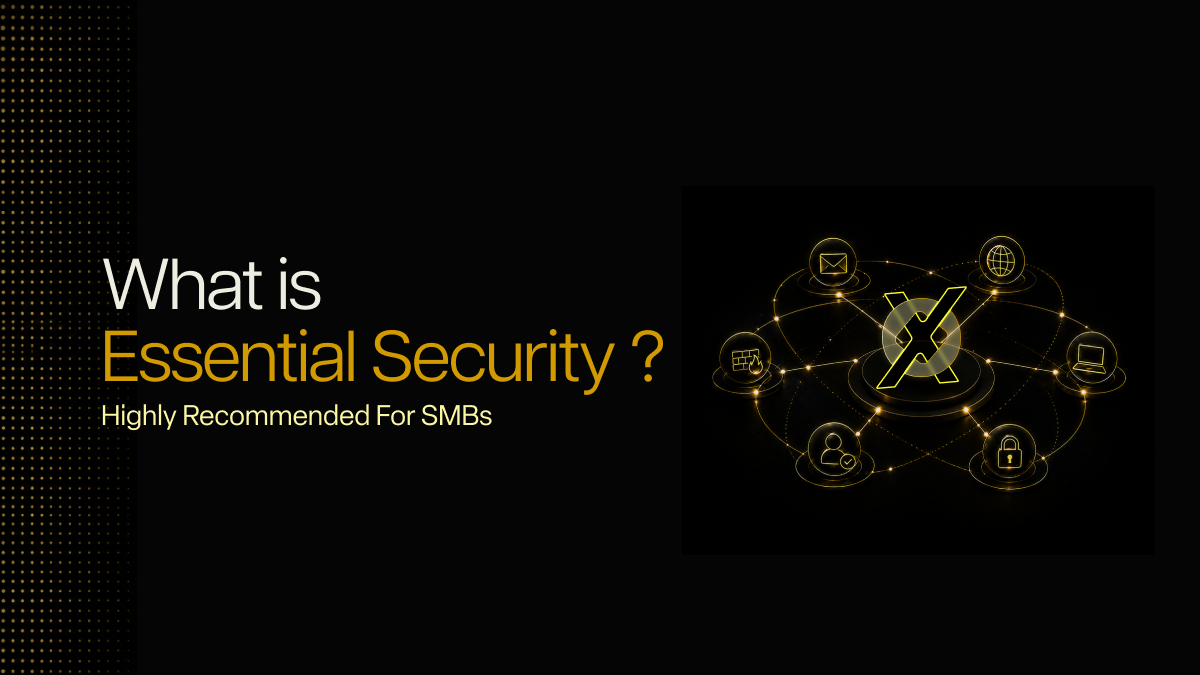
For a clear starting point, the Essential Security Review checks your setup and finds the gaps that matter for a company your size, then hands back a prioritised list in about 72 hours. Or hand the monitoring to Lumora X, which gives startups that protection without the hire. Pick one step this week. Future you, mid funding round, will be grateful.
Lumora helps UAE startups stay secure without a full security team. Book a free assessment or talk to us about cover for your stage.



.avif)